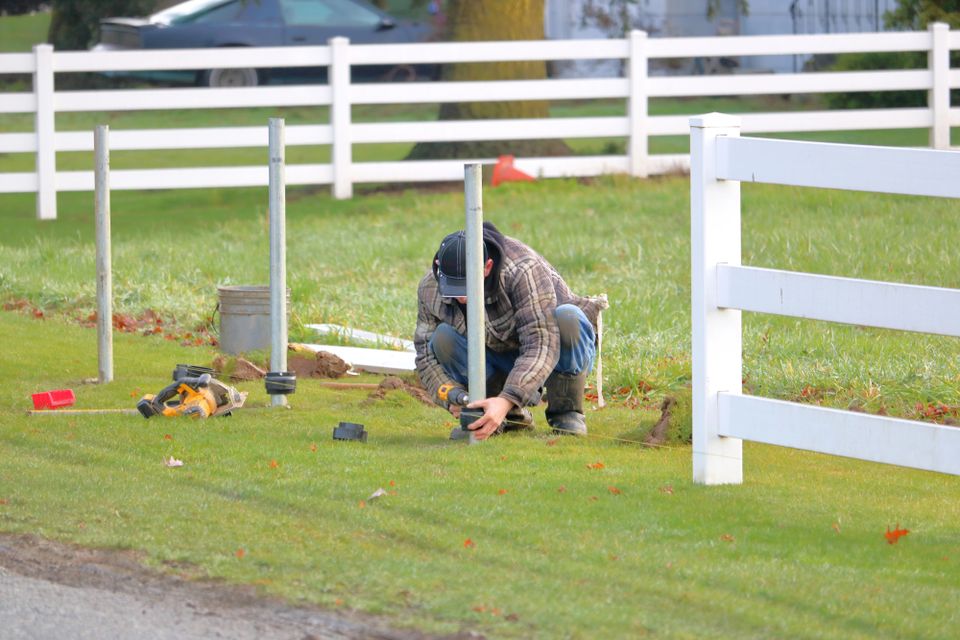
Why Fence Posts Fail in Idaho (And How to Prevent It)
———
You’ve seen it before. Fence posts leaning, lifting out of the ground, or entire sections starting to wobble. Sometimes it starts small. A slight lean. A loose post. Then one season later, it’s a full repair job.
So what causes a fence that was installed just a few seasons ago to fail?
In the Treasure Valley, fences are up against some unique conditions. Clay-heavy soils expand and contract with freeze-thaw cycles. Hot summers, combined with irrigation and sprinkler systems, keep moisture cycling right at the base of your posts. And with a deeper frost line, the ground itself is constantly moving.
Without the right preparation, fence posts can lose stability faster than most people expect.
In our last guide, we covered how deep fence posts should be based on fence height. But even if you get the depth right, fences can still fail if you don’t account for what’s happening around the post.
Planning for soil conditions, moisture, and Idaho’s seasonal changes is what helps your fence last, not just for a few years, but for the long haul.
At Western Fence & Landscape Supply, we work with homeowners, landowners, and contractors across Boise and the Treasure Valley every day, helping them choose the right materials and approach for fences that actually hold up.
Fence Installation in Treasure Valley Soil
From shifty sand to compacted clay to almost concrete-like rocky ground, the Treasure Valley has a little bit of everything when it comes to soil.
It’s not something most people think about until they start digging post holes to put up a fence. But once you hit the ground, your soil will tell you pretty quickly what you’re working with and how you need to stabilize your fence.
Digging For Fence Posts in Sandy Soil
Sandy soil is the easiest to dig through, but it's also the least stable.
The upside is drainage. Water moves through sand quickly, which helps reduce long-term moisture issues that can damage wood posts. The downside is that sand doesn’t hold posts tightly on its own.
To compensate, you’ll typically want to:
dig slightly deeper than standard depth, or
use concrete to reinforce the base
This helps prevent shifting and keeps your posts from loosening over time.
Building a Fence in Clay Soil
You’ll know you’re dealing with clay when your shovel pulls up heavy, sticky clumps.
At first, it can seem like the ideal soil because the hole holds its shape well. But clay holds moisture much more than sand or rocky soil, which makes it prone to expansion, shifting, and post-heaving during freeze-thaw cycles.
That’s where problems start.
With clay soil, it’s especially important to:
dig below the frost line
ensure proper depth and drainage
secure posts firmly to prevent movement
What looks stable on day one can shift significantly after a season or two.
Installing Fence Posts in Rocky Soil
Rocky soil can test your patience.
After some digging, a few snack breaks, perhaps questioning your life choices, and a lemonade, you’ll eventually get through it. The good news? Once posts are set, this is one of the most stable soil types you can work with.
Rocky soil typically offers:
good drainage
strong natural support
minimal shifting once installed
It’s harder work upfront, but it usually pays off with a more stable fence long-term.
Freeze-Thaw Cycles (The Silent Problem for Fence Longevity)
It gets cold in Boise. Bitterly cold. Idaho weather doesn’t ease into seasons. It swings.
When temperatures drop, the moisture in the soil freezes and expands. Then it thaws, and as the ground warms up again, that same soil contracts and loosens.
That constant movement puts stress on your fence posts.
The shifting might be subtle at first, but as the cycle repeats, each freeze and thaw may lift, tilt, or lean that post further out of alignment. Over just a few seasons, that movement can lead to posts being heaved right out of the ground.
The best way to prevent this comes back to proper installation.
Setting posts at the correct depth and reinforcing them with concrete helps anchor them below the most active soil layer. From there, regular seasonal inspections and maintenance can catch early signs of movement before they turn into bigger problems.
Wind Load & Fence Design
Your fence doesn’t just sit there. It gets tested.
In Idaho, wind is a real factor, especially in more open areas around the Treasure Valley.
That doesn’t mean one is better than the other. It just means your post depth and installation need to match the type of fence you’re building.
Moisture, Drainage & Rot: How Water Affects Your Fence
Living in a high desert climate, it’s easy to assume moisture isn’t something you need to worry about.
But in the Treasure Valley, that’s not always the case.
Spring snowmelt can leave water pooling along fencelines, especially if drainage isn’t properly managed. Add in irrigation and sprinkler systems running through the summer, and you can end up with consistent moisture hitting the base of your fence day after day.
That’s where problems start.
When water sits around your fence posts, it creates the perfect conditions for:
wood rot
mold and mildew
long-term deterioration below the surface
You might notice dark patches along the bottom of your fence or areas that stay damp longer than they should. That’s often the first sign that moisture is starting to take a toll.
Proper grading and slope around your fence line helps water to drain away instead of collecting at the base. And making sure your soil has time to dry out between watering cycles can go a long way in protecting your fence.
We’ve talked a lot about depth, but even a properly set post won’t last if moisture is constantly sitting around it.
Over time, that leads to weakened posts, instability, and eventually repairs or full replacement.
How to Prevent Fence Failure in Idaho
At this point, it’s probably clear that fence failure usually isn’t caused by just one thing. It’s a combination of depth, soil, moisture, and how the fence was installed in the first place.
The good news is that most of these problems are preventable.
Start with proper depth. Following the one-third rule gives your posts a strong foundation from the beginning. From there, make sure you’re adjusting for your soil conditions. Sandy soil may need deeper holes and more reinforcement, while clay requires extra attention to drainage and freeze-thaw movement.
Concrete can also playan important role. In areas with loose soil, heavy fences, or higher wind exposure, setting posts in concrete helps lock everything in place. Just make sure water can still drain away from the base so you’re not trapping moisture where it can cause damage.
Choosing the right materials matters too. Wood, metal, and chain link all perform differently over time, especially when exposed to Idaho’s seasonal changes. Matching your materials to your environment helps prevent early wear and failure.
And finally, don’t forget about maintenance. Walk your fence line a couple of times a year. Look for leaning posts, soft spots, or areas where water is pooling. Catching small issues early can save you from major repairs later.
Getting the depth, soil, and conditions right is only part of the process.
In our next guide, we’ll walk through the tools, materials, and step-by-step process for installing fence posts correctly, including how to dig, level, and keep your fence line straight from start to finish.
At the end of the day, a strong fence isn’t just about how it looks when it’s first installed. It’s about how well it holds up after a few Idaho seasons.
At Western Fence & Landscape Supply, we support the Treasure Valley with fencing supplies and practical guidance to help your fence last.
Proudly serving Boise, Meridian, Nampa, Caldwell, Kuna, Emmett, and surrounding areas. Stop by, call (208) 995-6468, or contact us online to get started.
Farm & City Fence Supplies in Caldwell, ID
Call (208) 995-6468or fill out our online contactform today to receive a free quote for your home, farm, or business. We also supply bulk orders for contractors. Let us help you transform your property with our reliable and attractive fencing solutions.